
We don't have online enrolment because we'd like to talk to you first.
Please fill this in the form below, and then we'll walk the walk.
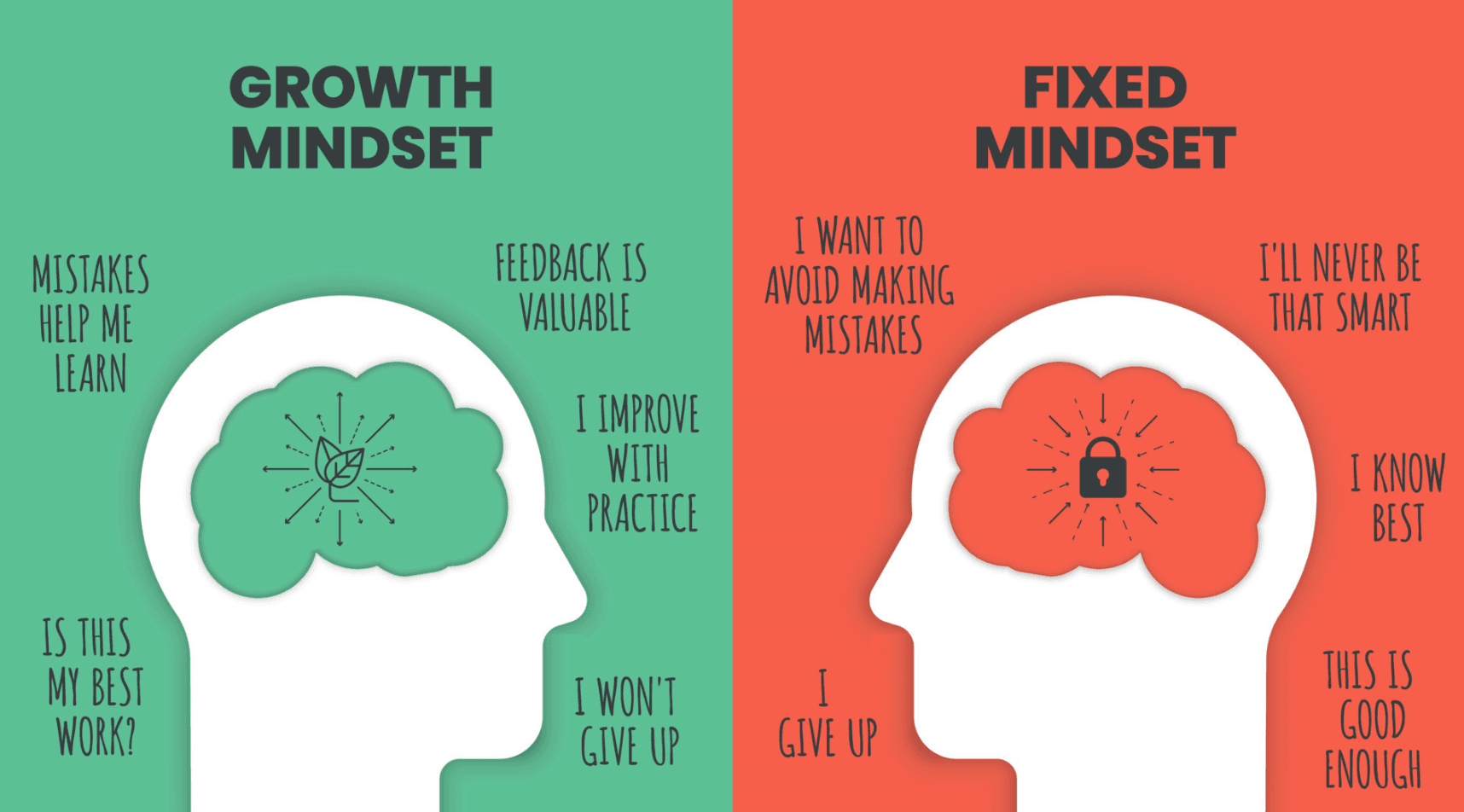
When students struggle with a difficult subject, it can be easy for them to think "I'm not good at this." But struggling isn't a sign that they can't succeed. A growth mindset encourages students to see their abilities as something they can develop through effort, practice and learning through mistakes.
What is a growth mindset?
The concept of a growth mindset was developed by psychologist Carol Dweck. It describes the belief that intelligence and abilities can develop over time, rather than being fixed from the beginning. Students with a growth mindset are more likely to view challenges as opportunities to learn. Instead of thinking "I can't do this" they can learn to think "I can't do this yet."
Why does it matter?
School inevitably involves challenges. Students will encounter difficult topics, receive feedback they may not like and sometimes get questions wrong. If they believe struggling means they aren't capable, they may become discouraged and give up. A growth mindset can help students approach these moments differently. A mistake becomes something they can learn from, rather than proof they aren't smart enough.
How can parents encourage it?
The language adults use can make a difference. Rather than praising the child for simply being "smart," try recognising the process behind their success. Comments such as, "You kept working even when that was difficult" or "I can see how much you've practiced." Reinforce the value of persistence and effort.
Making mistakes part of learning
Developing a growth mindset takes time. the goal isn't to eliminate frustration or make every challenge easy. Instead, it's about helping students understand that difficulty is a normal part of learning. By encouraging students to embrace challenges, learn from mistakes and recognise their progress, we can help them become more confident, resilient and independent learners.


Ready when you areReach out anytime
Leave your details and we'll call you back, or send us a message. It's just a friendly conversation to get started.
We don't have online enrolment because we'd like to talk to you first.
Please fill this in the form below, and then we'll walk the walk.