
Connected but capable? Students' reliance on digital technologies
We don't have online enrolment because we'd like to talk to you first.
Please fill this in the form below, and then we'll walk the walk.
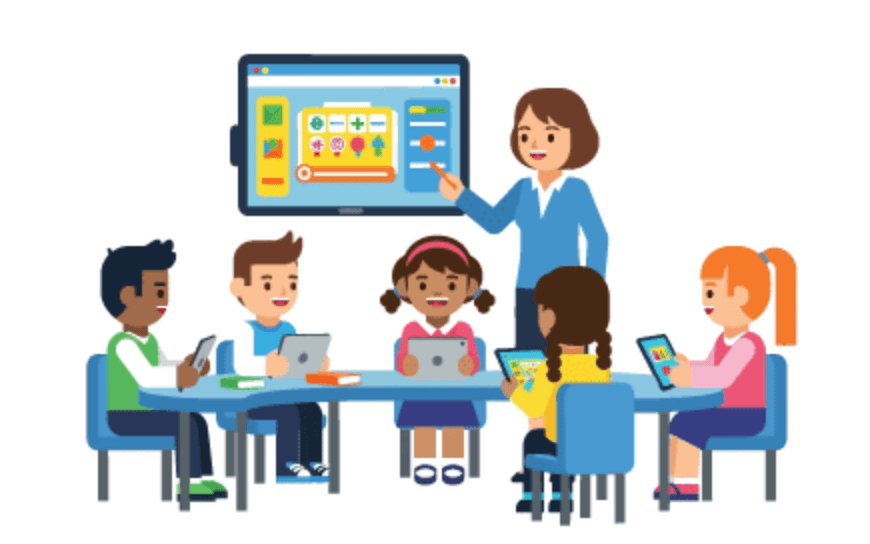
Digital technology has become an increasingly embedded part of students' everyday lives. From completing assignments on laptops to using tablets, educational applications and online resources in the classroom, technology has transformed how students access, create and communicate information. While these tools can provide valuable opportunities for learning, growing reliance on digital technologies raises an important question: are students becoming too dependent on technology to learn?
Digital technologies can undoubtedly enhance education. Interactive platforms can increase engagement, provide immediate feedback and allow students to access information beyond the classroom. Technology can also support diverse learners by providing accessibility features, multimedia resources and opportunities for students to demonstrate their understanding in different ways. For teachers, digital tools can facilitate collaboration and create new possibilities for personalised learning.
However, greater access does not automatically result in better learning. When students become accustomed to relying on search engines, artificial intelligence or digital applications to provide immediate answers, opportunities to develop independent thinking and problem-solving skills may be reduced. Similarly, constant access to digital devices can create distractions and make sustained attention more difficult. The concern is therefore not technology itself, but how dependence on technology may influence students' capacity to think, create and learn independently.
This creates an important responsibility for educators. Schools should teach students how to use technology ethically, when and why to use it. Digital literacy must therefore involve critical evaluation of online information, responsible technology use and an understanding of when technology enhances learning and when traditional approaches (e.g. textbooks) may be more effective. Students need opportunities to read physical texts, write by hand, collaborate face-to-face and solve problems without immediately turning to a device.
Ultimately, I strongly support the idea that education should prepare students to navigate a digital world without becoming entirely dependent upon it. Technology is a powerful educational tool, but it should remain a tool instead of becoming a substitute for thinking. The goal is not to remove technology from classrooms, but to develop learners who can use it purposefully, critically and independently.


Ready when you areReach out anytime
Leave your details and we'll call you back, or send us a message. It's just a friendly conversation to get started.
We don't have online enrolment because we'd like to talk to you first.
Please fill this in the form below, and then we'll walk the walk.