
Beyond the Answers: How Tutoring Builds Independent Learners
We don't have online enrolment because we'd like to talk to you first.
Please fill this in the form below, and then we'll walk the walk.
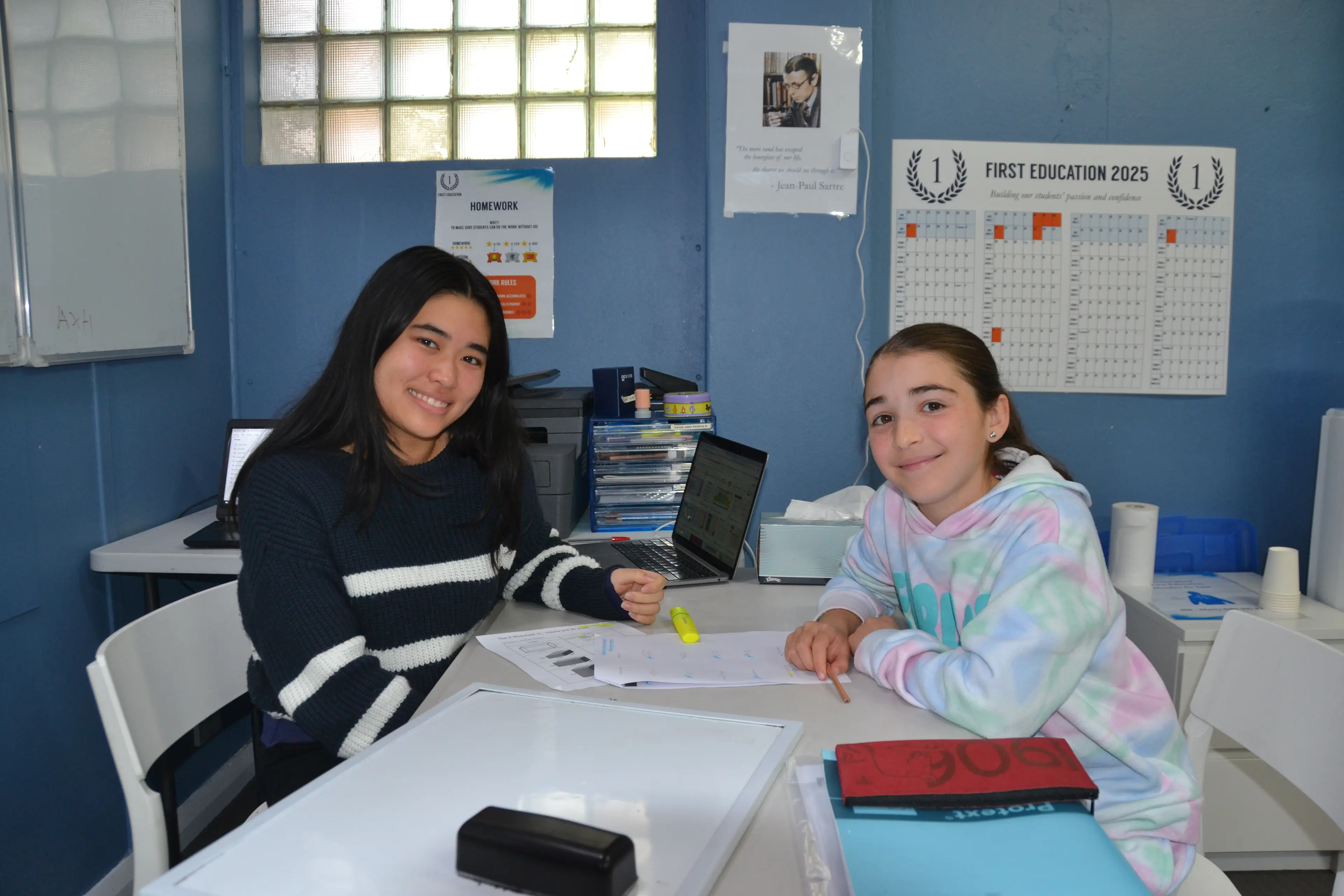
When people think about tutoring, they often imagine a student sitting with a tutor and being shown how to answer difficult questions. While improving academic performance is certainly an important part of tutoring, one of its most valuable outcome is helping students become more confident and independent learners.
A good tutor does not simply provide the answer whenever a student gets stuck. Instead, they encourage students to work through problems themselves by asking questions, identifying mistakes and considering different approaches. Over time, students begin to develop their own problem-solving skills. Rather than immediately thinking, “I don’t know how to do this,” they learn to ask themselves, “What do I already know that could help me?”
This independence becomes especially important as students progress through high school. Subjects become more demanding, assessments become more complex, and teachers expect students to take greater responsibility for their own learning. Having regular tutoring sessions can help students develop habits such as planning ahead, organising notes, completing practice questions and reviewing mistakes instead of simply ignoring them. These habits can make studying feel much more manageable, particularly during busy assessment periods.
Tutoring can also change how students view mistakes. In a classroom, getting an answer wrong can sometimes feel embarrassing, particularly when surrounded by classmates. Tutoring provides a more comfortable environment where mistakes can become part of the learning process. A tutor can help a student understand why an answer was incorrect and, more importantly, how to approach a similar question next time.
Ultimately, the goal of tutoring should not be for a student to depend on their tutor forever. The greatest success occurs when students begin applying the strategies they have learnt independently. Better marks are rewarding, but developing confidence, discipline and the ability to learn without constant assistance are skills that remain valuable long after the final exam.


Ready when you areReach out anytime
Leave your details and we'll call you back, or send us a message. It's just a friendly conversation to get started.
We don't have online enrolment because we'd like to talk to you first.
Please fill this in the form below, and then we'll walk the walk.